

Your House and Your Car Are Starting to Talk. Here’s Why It’s a Game-Changer
You know the feeling. You pull into your driveway after a long day, and the garage door opens automatically. That’s been possible for a while. But what if, the moment your car’s GPS signaled you were two minutes from home, your house woke up? The porch light flicked on, the thermostat adjusted to your perfect temperature, and your favorite playlist started softly in the living room. That’s not science fiction anymore. It’s the emerging reality of integrating smart home ecosystems with vehicle automation.
Honestly, we’ve been living with these two brilliant but separate worlds. Your smart home is a castle of convenience. Your modern car is a marvel of connectivity. But they’ve been like two brilliant people at a party who’ve never been introduced. Well, the introductions are finally happening. And the conversation is getting pretty interesting.
Beyond the Garage Door: The Seamless Handoff
Let’s dive in. The old model was simple: a button in your car opened your garage. The new model is a context-aware handoff. It uses your vehicle’s location, status, and even data from its sensors to trigger a whole symphony of actions in your home. Think of it as your car becoming the most informed member of your smart home family.
Here’s the deal. This integration relies on a few key technologies talking to each other:
- Geofencing: This is the big one. Your car or phone creates a virtual boundary around your home. Crossing it is the “I’m home!” signal.
- Vehicle APIs & Data: Modern cars have their own operating systems and data streams—fuel level, cabin temperature, even whether the windows are up.
- Shared Protocols & Platforms: Matter, the new smart home standard, aims to fix compatibility. And platforms like Apple Home, Google Home, and Amazon Alexa are vying to be the central hub that talks to your car.
Real-World Scenarios: Where Life Gets Easier
Okay, so what does this actually look like in daily life? It’s less about flashy tech demos and more about solving tiny, everyday frustrations.
The “Coming Home” Routine (Perfected)
We touched on it, but let’s get specific. As you approach, your house doesn’t just turn on a light. It can:
- Unlock the front door or disarm the security system as you park.
- Start the robot vacuum to finish its cycle and dock before you walk in.
- Pre-heat the oven if you’re carrying groceries, or start the coffee maker if it’s 6 AM.
- Turn on specific lights along your path to the kitchen. It’s a welcome committee of one.
The “Leaving Home” Sequence (No More Anxiety)
This is arguably even better. How many times have you driven halfway to work wondering if you locked the door or turned off the living room lamp? When your car shifts into “Drive” and leaves the geofence, it can trigger:
- A whole-home lock-down: doors lock, garage closes, security system arms.
- An energy-saving mode: thermostats adjust, smart plugs turn off non-essentials.
- A “launch status” check: your car’s display could show a confirmation—”Front door locked. Thermostat set to Eco.” Peace of mind, right there on the dashboard.
The Current Landscape: Who’s Playing Nice?
Let’s be real—this isn’t all seamless yet. It’s a patchwork. But major players are making moves. Here’s a quick, honest look at who’s connecting what.
| Car Maker / Tech | Smart Home Integration Examples | The Current Vibe |
| Ford with Alexa Built-in | Control home devices from your car’s touchscreen; use routines triggered by location. | One of the more mature partnerships. It feels integrated, not bolted-on. |
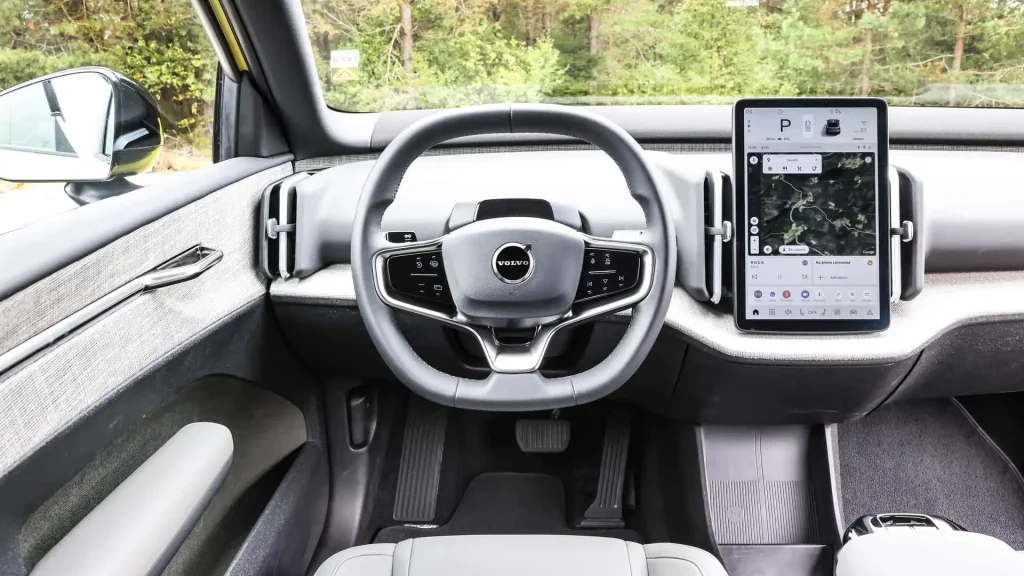
| Google Built-in (Volvo, Polestar, etc.) | Google Assistant in the car can control Nest and other compatible home devices. | Super smooth if you’re in the Google ecosystem. It’s like your Android phone… but you’re driving it. |
| Apple CarPlay & HomeKit | Using Siri in the car to trigger HomeKit scenes. “Hey Siri, I’m going home.” | Works beautifully for simple commands, but deeper, automated handoffs are still emerging. |
| Tesla | Native “HomeLink” for garage, plus third-party hacks via APIs for broader smart home control. | Technically capable, but often requires a tech-savvy user to unlock its full potential. |
See, the pain point right now is fragmentation. A Ford driver with a Google Nest thermostat might have a clunkier experience. The dream is cross-platform interoperability—where your choice of car doesn’t wall you off from your choice of smart lights.
Future Visions (And a Few Caveats)
Looking ahead, this gets wild. Imagine your electric vehicle communicating with your home’s energy system. You plug it in at night, and the car and house coordinate to charge during the cheapest off-peak hours, maybe even powering the house during a brief outage. That’s a two-way conversation.
Or, sensors in your car could detect you’re stressed—heart rate up, seat fidgeting. It could cue your home to initiate a “wind down” scene: dim lights, calm music, kettle on for tea. It becomes a holistic wellness system.
But—and this is a big but—we have to talk about the elephant in the room. Privacy and security. This integration means more data flowing between more companies. Your car knows when you’re not home. Your house knows when you’re almost home. That data is incredibly sensitive. Robust security and clear, user-controlled permissions aren’t just nice-to-haves; they’re the absolute foundation this whole concept is built on. Without trust, it all falls apart.
The Human Element: It’s About Flow, Not Features
At the end of the day, the goal isn’t to have the most triggers or the most gadgets. It’s about removing friction. It’s about technology that serves you quietly in the background, making the transition between two major parts of your life—mobility and dwelling—feel effortless.
The best smart technology fades into the fabric of your day. You stop noticing it. It just… works. That’s the promise of a truly connected car and home. It’s not about your car talking to your toaster for the sake of it. It’s about creating an environment that adapts to you, that anticipates the small needs you didn’t even voice.
So, as these two ecosystems slowly, sometimes awkwardly, learn to dance together, keep an eye on the experience, not just the specs. The magic happens not when a light turns on, but when you walk through a door and feel, instantly, like you’re already home.

