

Integrating Smart Home Technology into Truck Living Spaces
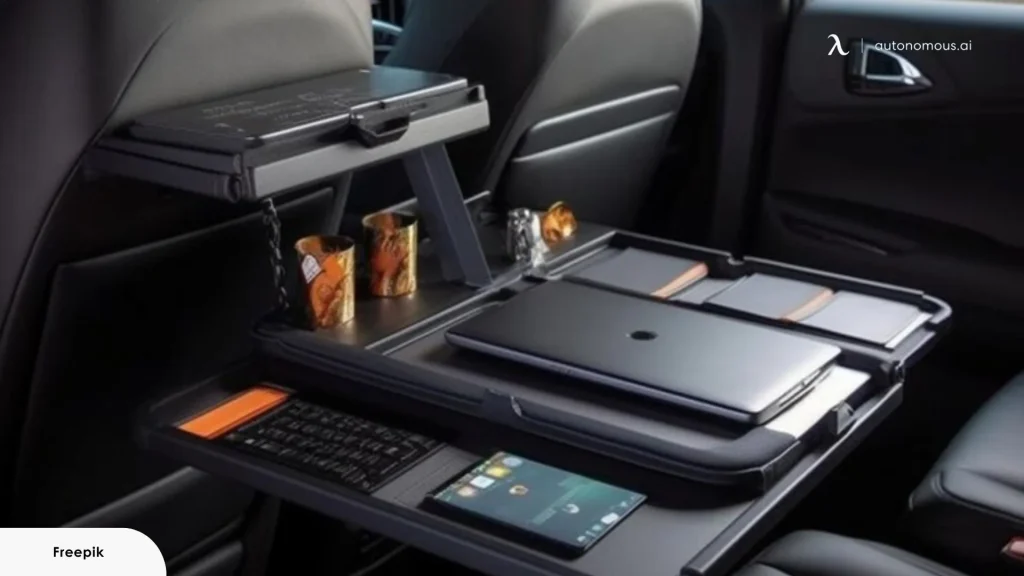
Let’s be honest. The image of truck living used to be all about rugged simplicity—a diesel stove, a manual water pump, and maybe a battery-powered radio. But that’s changing. Fast. Today, the modern nomad isn’t just looking for shelter on wheels; they’re crafting a connected, efficient, and frankly, more comfortable home. And the secret sauce? It’s integrating smart home technology into that compact, rolling space.
Here’s the deal: it’s not about turning your rig into a gimmicky spaceship. It’s about solving real pain points. Energy anxiety. Security worries while you’re away from the truck. The daily fumble for lights in a dark cabover. Smart tech, when chosen wisely, can make life on the road smoother, safer, and a whole lot more intuitive. Let’s dive into how.
The Foundation: Power and Connectivity
You can’t talk smart tech without talking power. It’s the bedrock. Most smart devices need a constant, low-voltage DC power supply or Wi-Fi. For truck living, that means your electrical system needs to be robust.
Think of your power system like the circulatory system in your body—it has to be healthy for everything else to function. A high-capacity lithium battery bank, coupled with smart solar charge controllers, is a game-changer. These controllers can often be monitored via an app on your phone, giving you real-time data on input and consumption. That’s your first step toward a smarter rig: knowing your power status at a glance, from anywhere.
Getting Online: The Lifeline
Connectivity is the other half of the equation. A reliable mobile hotspot or a dedicated cellular router is non-negotiable. Many smart devices use your local Wi-Fi network to communicate. Sure, some use Bluetooth, but that limits your range to just a few feet. For true remote control—like checking your truck’s interior temperature from a trailhead—you need that network.
Smart Systems for Your Rolling Home
Okay, foundation set. Now, where do you actually apply this tech? The best integrations are in areas that affect daily comfort and peace of mind.
1. Climate and Energy Management
This is a big one. Waking up shivering or returning to a sweltering metal box is miserable. A smart thermostat designed for RVs or a smart plug connected to a simple electric heater or fan can change everything. Schedule temperatures based on your habits, or turn on the heater 20 minutes before you return from a hike. The energy savings alone—avoiding running appliances unnecessarily—can be significant.
Pair this with smart smoke and propane detectors. They don’t just shriek; they send an alert to your phone. That’s a massive safety upgrade when you’re parked and away from the truck.
2. Lighting and Ambiance
Fumbling for a physical switch in a tiny, cluttered space gets old. Smart LED lighting strips or bulbs are perfect for truck living. You can control them with your voice or phone, dim them to save power, or even set “scenes.” One tap for “Evening Read” (warm, dim light), another for “Cooking” (bright, focused light). It’s a small touch that makes the space feel less like a cargo hold and more like a home.
3. Security and Peace of Mind
This might be the most valuable integration. A compact, wireless smart camera inside your cab lets you peek in anytime. Forgot to lock the door? A smart lock or even a smart sensor on the door will tell you. You can get magnetic contact sensors for windows and storage bays.
Honestly, the peace of mind knowing you can visually check on your home—your entire home—from your phone is priceless. It turns anxiety into a quick, two-second verification.
Practical Considerations & A Starter Setup
It’s easy to get carried away. But remember, space and power are precious. Start with a single ecosystem—like Google Home or Amazon Alexa—to keep devices talking to each other without a headache. And prioritize devices that offer a local control option, meaning they’ll still work if your internet hiccups.
| Priority | Device Type | Key Benefit for Truck Life |
|---|---|---|
| High | Smart Power Monitor | Prevents dead batteries; manages consumption. |
| High | Smart Security Camera | Remote visual check-ins; deters theft. |
| Medium | Smart Thermostat/Plug | Comfort & energy efficiency; pre-heat/cool. |
| Medium | Smart LED Lighting | Convenience, ambiance, and lower power draw. |
| Low (Nice-to-Have) | Smart Speaker (Voice Hub) | Hands-free control while cooking/working. |
A simple, phased approach works best. Maybe Phase 1 is a smart power monitor and a single smart plug for a heater. Live with that. Then add a camera. Then lighting. This prevents overwhelm and lets you understand each device’s impact on your system.
The Human in the Smart Home on Wheels
All this tech begs the question: does it complicate the simple life? Well, it can. If you’re constantly troubleshooting a flaky Wi-Fi connection for a dozen gadgets, you’ve missed the point. The goal is less friction, not more.
The beauty of a well-integrated system is that it fades into the background. It’s the quiet confidence that your batteries are charged, your space is secure, and your environment is just right—all managed with a tap or a voice command. It lets you focus more on the view out your window and less on the switches beside it.
In the end, integrating smart home technology into truck living isn’t about luxury for luxury’s sake. It’s a practical evolution. It’s about using modern tools to solve the age-old challenges of mobile living, creating a space that’s not just resilient, but responsive. A space that, in its own clever way, takes care of you while you’re out exploring the world.

