

Van Life Safety and Security: Your Solo Traveler’s Guide to Peace of Mind
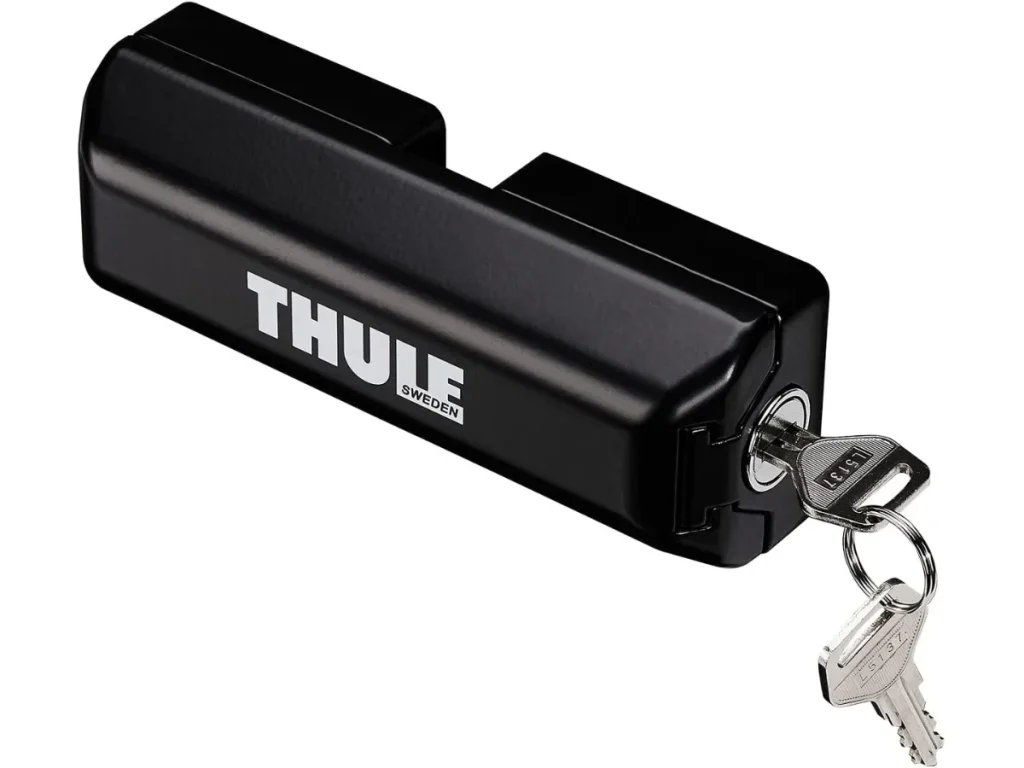
Let’s be honest. The dream of solo van life is intoxicating. Freedom, open roads, waking up to a new view every morning. But for the solo traveler, especially, a quiet question often hums in the background: “Am I safe out here?”
It’s a valid concern. And here’s the deal—ignoring it doesn’t make it go away. The good news? With some smart planning and a shift in mindset, you can build a fortress of confidence around your tiny home on wheels. This isn’t about living in fear; it’s about crafting the freedom to truly relax and enjoy the journey.
Building Your Mobile Fortress: Proactive Security Measures
Think of your van’s security in layers, like an onion. The goal is to make it a hassle for anyone to even think about bothering you. You don’t need to be a Navy SEAL, just a bit savvy.
Physical Security: Locks, Lights, and Deterrents
Start with the basics. Your factory door locks? They’re often just a suggestion. Reinforce them.
- Steering Wheel Locks & Pedal Clamps: Highly visible, old-school, and honestly, a fantastic deterrent. A thief looks for a quick target, not a puzzle.
- Window Films & Curtains: Privacy is your first line of defense. Reflective or limo tint for the front, and blackout curtains or custom-made covers for the living area. Out of sight, out of mind.
- Motion-Activated Lights: A sudden blast of light is a universal “back off” signal. Solar-powered LED lights mounted near doors or under the van are cheap and incredibly effective.
- Secure Storage for Valuables: In fact, don’t leave valuables in sight. Ever. Use a hidden safe bolted to the chassis or a lockable compartment. It’s just common sense.
Tech & Gadgets for the Modern Nomad
Technology is a solo traveler’s best friend. A few key investments can connect you to help in an instant.
- A Cellular Security Camera: Small, wireless cameras that send alerts to your phone are game-changers. Place one inside facing a door, or even outside under an awning.
- GPS Tracker: For both recovery and peace of mind. Share your location with a trusted friend or family member. Some devices have SOS buttons too.
- Personal Safety Alarm: A simple, loud, keychain alarm can disorient and draw attention if you ever feel threatened outside the van.
The Art of Stealth and Situational Awareness
Security isn’t just hardware; it’s a skill. It’s about blending in and trusting your gut—that primal instinct we too often ignore.
Choosing Your Spot for the Night
This is arguably the most important safety decision you make each day. Ditch the idea of that perfectly isolated, Instagram-worthy cliff edge. Well, at least for sleeping.
- Use apps like iOverlander or Park4Night, but read the recent comments. A spot that was safe 2 years ago might not be now.
- The “3-Minute Rule”: Can you leave quickly if needed? Never park where you can be blocked in.
- Rotate between established campgrounds, Bureau of Land Management (BLM) land, and well-lit retail parking lots (with permission, you know). Variety is safer than routine.
- Trust the vibe. If a place feels “off,” it probably is. Your intuition is a powerful security system—don’t let the desire for a free spot override it.
Blending In and Daily Habits
You want to be a grey man—or woman. Unremarkable. Avoid drawing unnecessary attention to yourself as a solo traveler.
- Arrive at your sleeping spot late and leave early. It’s the golden rule of van life stealth camping.
- Minimize outdoor activity after dark. Keep interior lights low and use curtainss.
- Be mindful of social media. Posting your stunning real-time location screams “I’m here alone.” Share that beautiful sunset photo a day or two later, from the next town over.
Community and Connection: Your Invisible Safety Net
One of the biggest myths of solo travel is that you’re alone. The van life community, both digital and IRL, is vast and surprisingly supportive.
Use apps or groups to connect with other nomads nearby. A simple “Hey, I’m parked at X, anyone else around?” can lead to a campfire chat or just the comforting knowledge that a friend is a few vans down. Establish a check-in routine with someone back home. A daily text or a shared Google Maps pin takes seconds and is invaluable.
Handling Confrontations and “Knocks”
It might happen: a knock on the door at an odd hour. Your heart will race. Have a plan.
- Don’t open the door. You can communicate through a cracked window or even just verbally.
- Keep the engine area clear for a quick start. Have your keys in a designated, easy-to-grab spot every night.
- Be polite but firm. “I’m not comfortable coming out, sorry. I’ll be leaving first thing in the morning.” Most knocks are just curious neighbors or security doing rounds.
- If you feel a genuine threat, don’t hesitate to honk your horn repeatedly. It draws attention and can scare off a would-be intruder.
Beyond the Human Element: General Safety Prep
Safety isn’t just about people. It’s about mechanical breakdowns in the middle of nowhere, medical issues, or bad weather.
| Essential Kit | Why It Matters |
| Reliable Roadside Assistance | This is non-negotiable for solo van life. Research plans that cover RVs or converted vans. |
| Comprehensive First-Aid Kit | And know how to use it. Take a basic wilderness first aid course. |
| Fire Extinguisher & Carbon Monoxide Detector | Your home has wheels, but it’s still a home. These can save your life. |
| Plenty of Water & Non-Perishable Food | Enough for at least 72 hours. Getting stuck happens. Be ready to wait it out comfortably. |
So, where does this leave you? Buried under a pile of gear and paranoia? Absolutely not.
It leaves you empowered. Each measure you take—that extra lock, the trusted spot you found, the quick check-in text—is a brick in a wall of confidence. It’s the quiet understanding that you’ve looked after yourself. And with that foundation firmly built, you can finally do what you set out to do: unlock the door, step outside, and breathe in the boundless freedom of the road, all on your own terms.

